
Oral Pathology – Alexandria, VA
Protecting Your Mouth
from Disease
You may have grown up thinking that cavities and gum disease are the biggest threats to your oral health. And indeed, these health issues are not to be taken lightly. But other diseases can form in your mouth, many of which are extremely dangerous and need to be treated before they put your life in danger. Here at Northern Virginia Oral, Maxillofacial & Implant Surgery, we practice oral pathology in our Alexandria, VA oral surgery office, so our patients can rest easy knowing that their smiles are safe and healthy.
Why Choose Northern Virginia Oral, Maxillofacial & Implant Surgery for Oral Pathology?
- Wide Variety of Treatments in One Location
-
Exceptionally Trained
Oral Surgeons -
Focus on Providing
High-Quality Care
What is Oral Pathology?
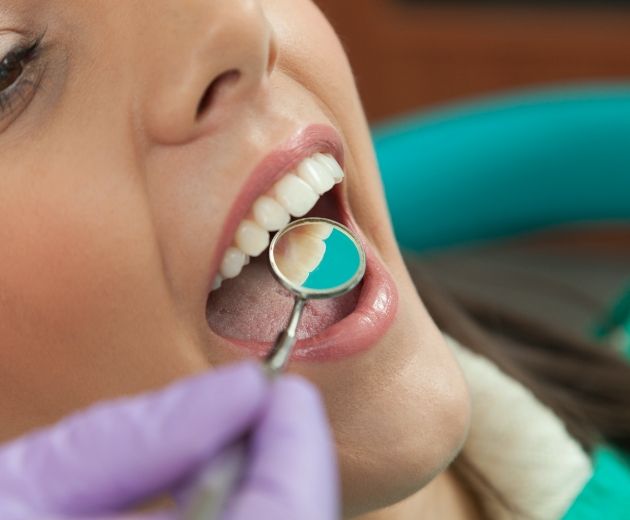
Oral pathology is a branch of oral health care that detects and treats diseases that affect your mouth and surrounding structures, including your gums, tongue, teeth, and other soft tissues, like your salivary glands.
Although tooth decay and gum disease are the most common oral issues, other conditions can also affect your mouth, including the herpes simplex virus, oral cancer, black hairy tongue, and candidiasis, or thrush.
Benefits of Oral Pathology

Oral pathology is a preventive measure used to detect potentially life-threatening problems before they get worse. Every time you visit the dentist, your provider carefully examines your gums, tongue, and surrounding structures to detect lumps, patches, or discoloration of tissue–all symptoms of oral cancer. While anyone can benefit from oral pathology, it’s particularly beneficial for people with certain risk factors, including:
- Tobacco users
- Heavy drinkers
- Individuals who spend a lot of time in the sun
Northern Virginia Oral, Maxillofacial & Implant Surgery might also recommend oral pathology if you have a family history of oral cancer or another type of oral disease.
Detecting Oral Problems

If your oral surgeon detects an unusual growth or other oral health problem, they will take an oral biopsy.
During an oral biopsy, your provider administers a local anesthetic to numb your tooth roots, tongue, and gum tissue. Next, they carefully remove a portion of the affected tissue and send it to a laboratory for further review and evaluation.
After the operation, your provider will also give you a list of careful recovery instructions. This might include a round of prescription antibiotics and adjustments to your diet. They might also ask you to try and quit smoking or chewing tobacco if applicable.
Dental & Medical Insurance &
Oral Pathology

The cost of oral pathology varies and depends on the type of biopsy you receive. However, most insurers cover at least part of the cost. If you have questions about your policy, contact your insurance provider before scheduling an appointment at Northern Virginia Oral, Maxillofacial & Implant Surgery.
If you’ve detected an unusual growth or other potentially serious oral problem, make an appointment with the team at Northern Virginia Oral, Maxillofacial & Implant Surgery today by calling the oral surgery office or clicking the online booking tool.
Oral Pathology FAQs
What Are the Most Common Oral Diseases?
Oral cancer is the oral disease that we check for the most. Here are several oral health issues we will check for during your exam:
- Herpes Simplex 1: Herpes Simplex 1 is a form or oral herpes that isn’t dangerous. Most sores will go away on their own, but they can last for weeks and cause a burning sensation. Approximately half of all Americans have this condition.
- Black Hairy Tongue: This condition may sound scary, but it is actually completely treatable. The black “hairs” that appear are an overabundance of dead skin cells on the tongue’s papillae. This can lead to bad breath and stimulate your gag reflex. Good oral hygiene, including brushing the tongue, can eliminate this issue.
- Thrush: Candidiasis, also known as thrush, is a fungal overgrowth on the lining on the mouth, tongue, and cheeks. This can cause white patches inside the mouth, red bumps, and a loss of taste. This can be treated with an antifungal agent.
- Oral Cancer: Oral cancer usually appears as white or red patches on the inside of the cheeks, gums, or tongue. When diagnosed early, it is usually treatable. When discovered later, the mortality rate increases. This is why early oral pathology screenings are crucial.
What Are Some Signs That I Need an Oral Pathology Exam?
If you have any of the following symptoms, it is a good idea for you to complete an oral pathology screening.
- Bumps or lumps in your mouth or on your lips
- Sores that aren’t healing
- Oral infections
- Unexplained bleeding of the gums, lips, or tongue
- Bad breath or a bad taste in the mouth that don’t go away
- Patches of red or white in the mouth
How Serious Is Oral Cancer?
This depends on how advancement of oral cancer is when discovered, the type of oral cancer, and where in the mouth is located. When caught early, treatment and recovery can be very successful, and patients often make a full recovery. However, late-stage oral cancer has a survival rate of 43% in five years. This reinforces the importance of regular oral cancer screening.
Am I at Risk of Getting Oral Cancer?
Anyone can develop oral cancer, but there are certain factors that can put you at higher risk. Here are some of the most prominent ones.
- Presence of the Human Papilloma Virus (HPV)
- You smoke or use smokeless tobacco
- Excessive alcohol use
- African Americans are twice as likely to develop oral cancer than Caucasians.
- Men are twice as likely to get oral cancer than woman
- Overexposure to sunlight
- Excess body weight